At the University of Massachusetts Amherst Elaine Marieb Center for Nursing and Engineering Innovation, we have an active and ongoing program of research to improve the safety and usability of intravenous smart pumps (IVSPs). This blog is the third in a series intended to share some of the practical knowledge we have gained working with critical care nurses on the front lines of care.
Large-volume IVSPs are an indispensable part of hospital care, delivering an estimated 1.7 billion infusions of fluids and life-critical medications to acutely and critically ill patients each year. IVSPs were designed to reduce IV medication administration errors by incorporating drug libraries and dose error-reduction software (DERS). Indeed, both published literature and real-world case examples demonstrate that DERS can help nurses reduce IV medication administration errors.
Despite these advances, nurses continue to face significant challenges when using IVSPs, including numerous usability challenges, programming complexity, flow rate accuracy and required system setup for linear peristaltic infusion pumps, and frequent non-clinically relevant alarms. These difficulties not only increase the risk to patient safety but also disrupt workflow at the bedside.
Approximately 80% of large-volume IVSPs in U.S. hospitals use outdated gravity-dependent linear peristaltic technology. With this method, a series of mechanical fingers compress the tubing to propel fluid forward, assisted by gravity. Fluid flow accuracy when using linear peristaltic systems is impacted by numerous clinical factors, including tubing length and compliance, the use of
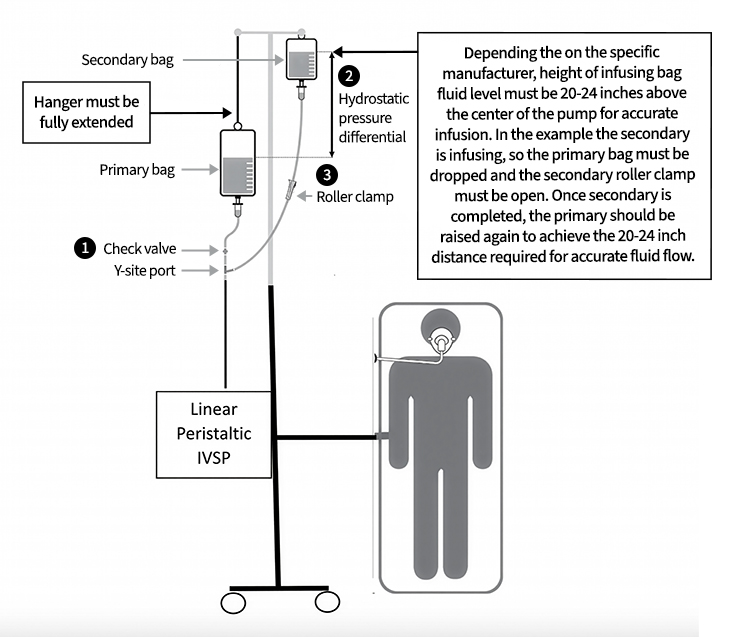
Figure 1. Used with permission from Karen Giuliano and the UMass Elaine Marieb Center for Nursing and Engineering Innovation
needleless connectors, multiple IVs connected to venous access devices, the type and size of venous access device being used, and adherence to manufacturer-required physical system setup (Figure 1). These physical and operational variables directly affect the accuracy and completeness of medication delivery, especially for secondary infusion.
Nurse-Led Strategies to Improve IVSP Safety and Medication Delivery
While system-level and IVSP device design innovations are needed, nurses can take several practical steps to improve the safety, efficiency and reliability of IVSP use. Many of these measures can be used now, while others require interprofessional collaboration, organizational support and technology improvements to implement effectively.
- How Linear Peristaltic IVSPs Work: What Nurses Need to Know for Accurate Infusions
Nurses can enhance infusion safety by developing a deeper understanding of how linear peristaltic IVSPs deliver fluid and how physical and mechanical factors affect flow rate accuracy.
For example, if the secondary medication bag is hung too low relative to the height of the primary bag, the IVSP will deliver the infusion more slowly than the programmed rate, leaving residual medication in the bag when the volume to be infused (VTBI) indicates the infusion has been completed. Excessive tubing length introduces additional resistance, leading to under-delivery or intermittent flow. Forgetting to unclamp the secondary tubing will prevent the secondary medication from infusing at all. Nurses who understand these mechanical principles are better equipped to recognize flow rate inaccuracies and use their clinical judgment to make appropriate corrections at the point of care.
Beyond individual practice, nurses can share this knowledge with colleagues through peer education and simulation-based training. By teaching the underlying physics of infusion systems, nursing teams can strengthen collective awareness of IVSP limitations and enhance overall infusion reliability. This level of understanding empowers nurses to not only respond to infusion problems as they occur but also to anticipate and prevent them and ultimately promote safer, more consistent medication delivery for patients. - Best Practices for IV Line Setup and Labeling to Reduce Infusion Errors
Use consistent tubing configurations across units whenever possible. Proper labeling of primary and secondary lines, clear documentation of pump channel alignment (the infusing bag is positioned vertically above the associated pump channel) whenever possible, and routine verification during handoff are strategies that can reduce confusion and prevent misconnection errors. - Collaborating Across Teams: How Nurses Can Improve Infusion Pump Safety With Pharmacy and Engineering
Nurses can proactively share feedback about recurring pump issues, inaccurate flow rates, programming errors and alarm frequency with the broader care team. Formal interdisciplinary teams should include nurses, pharmacists and biomedical engineers to evaluate infusion practices, drug library configurations, device performance and preventive maintenance schedules. This collaborative approach enhances safety in medication delivery, supports continual improvement, amplifies the nursing voice and fosters shared accountability for infusion accuracy and reliability. - Reducing Alarm Fatigue: Optimizing IVSP Alerts for Safer Critical CareUse real-world alarm log data to identify high-frequency, low-value alarms and collaborate with clinical engineering and unit leadership to tailor alarm thresholds and response protocols to each clinical area. Reducing non-clinically relevant alarms will decrease alarm fatigue and workflow disruption, and help ensure that critical alarms receive prompt attention.
- Why IV Pole Design Matters: A Hidden Factor in IVSP Accuracy
A surprising but essential contributor to infusion safety in most hospitals is the availability of enough IV poles of appropriate height and stability. Nurses can advocate for maintaining an adequate supply of high-quality, adjustable IV poles on every unit. Equipment design also matters. IV poles should support the safe hanging of multiple bags and pump modules without tipping or entangling lines. The use of straight pole tops versus circular will help support the use of bag-channel alignment.
Also, use IV poles that support the linear peristaltic pumps to be set up horizontally, not vertically. Distances of 20-24 inches between the middle of the pump and the top of the infusing fluid are needed to generate the hydrostatic pressure required by gravity-dependent infusion systems and support accurate IV fluid delivery for both primary and secondary infusions. Hospitals should view IV poles not as simple accessories but as critical components of the entire infusion system. - Ongoing IVSP Training: Usability Tips to Prevent Medication Errors
Nurses should participate in ongoing, hands-on training for IVSP setup and troubleshooting. Simulation-based education can strengthen nurses' ability to recognize fluid flow anomalies, alarm issues and operational challenges when using the pump. Share real-world usability challenges locally through institutional safety committees and nationally through professional nursing organizations. These strategies can help bring together the larger community of nurses whose collective perspectives and experiences can be accessed more directly to inform improvements in clinical practice and future IVSP device design. - Using Data to Advance IV Infusion Safety in Critical Care Nursing
Nurses are uniquely positioned to identify trends in infusion performance and alarm frequency. Reporting issues through event tracking systems, documenting near-misses, and contributing to data collection for infusion safety projects can inform quality improvement initiatives. - The Role of Nurses in Choosing Safe and Effective IVSP Technology
Nurses should be actively involved in the evaluation and purchasing process for IVSPs and related equipment. Structured usability testing that includes frontline nurses ensures that selected systems align with clinical workflow, ergonomic needs and patient safety priorities. Integrate structured usability assessments into all stages of IVSP procurement and implementation to help ensure that selected systems align with clinical workflow, ergonomic need and patient safety priorities. Emphasize how programming complexity, interface design and display feedback impact patient safety during real-world use. Consider the total cost of supplies, implementation and ongoing system operation, not just the upfront cost of supplies, in all purchasing decisions.
Human-Centered IVSP Design: Why Nurse Involvement Is Critical
Critical care nurses can play a pivotal role in the design and development of IVSPs. They are the main users of IVSPs and in the best position to understand the impact on patient safety and workflow. Nurses' firsthand experience provides essential insight into how IVSPs function in the dynamic and often unpredictable hospital environment. By involving nurses early in the design process through usability testing, workflow mapping and human-centered design approaches, engineers and manufacturers gain a clearer understanding of real-world clinical needs, system constraints and potential sources of error. Nurses can identify subtle usability issues, such as interface complexity, alarm fatigue or tubing management challenges, that may not be apparent to non-clinical designers. Their participation ensures that new products are intuitive, efficient and aligned with best practices in patient care. Ultimately, engaging nurses as co-designers and evaluators leads to safer, more effective and more acceptable IVSP systems, improving both clinical outcomes and the quality of nurses' work environments.
Key Takeaways
- IV smart pump technology has safety benefits but persistent real-world usability challenges; see accompanying article in BMJ
- Understanding linear peristaltic systems is essential for accurate infusions.
- Standardization, collaboration and data use enhance infusion safety.
- Environmental and equipment factors influence infusion accuracy.
- Nurses are central to IVSP innovation, design and policy decisions.
Read the previous blogs in the series:
- "IV Infusion in Critical Care: Essential Knowledge for Nurses"
- "Beep, Beep, Repeat: The Trouble With Intravenous Pump Alarms"
Acknowledgements
I acknowledge the collaboration and support from multiple research colleagues and fellow IVSP researchers in this important area of patient safety, including Karen Meade, RN; Jeannine Blake, PhD, RN; Nathaniel Sims, MD; Robert Butterfield, BS, Engineering; Peggy McDaniel, RN; and the team at the Elaine Marieb Center for Nursing and Engineering Innovation.

Are you sure you want to delete this Comment?