News
President’s Column: Pull Up a Chair: Offering and Accepting a Seat at the Mentorship Table
Sep 29, 2026
“I was carrying the weight of that difficult conversation with my patient. It showed on my face. My mentor noticed and pulled up a chair beside me … She helped me understand that nursing requires both the science of what we do and the humanity of how we do it.” - AACN President Tonka Williams
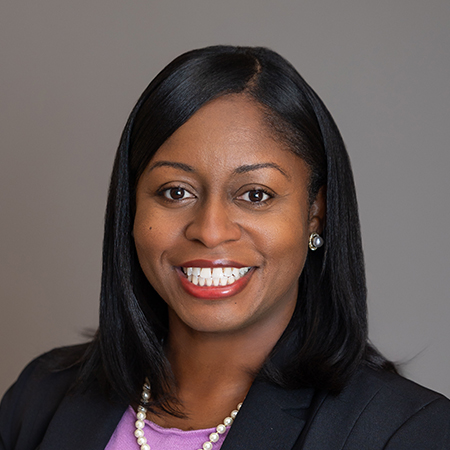
I often think about the nurses who shaped my journey. Some taught me clinical skills. Others challenged me to grow.
And then there were those who recognized something in me before I saw it myself. I was fortunate to have one of those nurses early in my career.
When I was a new graduate nurse, I had two assigned preceptors who helped me learn how to be a nurse. They taught me how to organize my day, care for my patients, recognize when something wasn't right and gain confidence at the bedside. I needed those lessons.
But there was another nurse who became an important part of my development. She wasn't assigned to me. She simply took an interest in me and, over time, became someone I could turn to when I had a question, needed encouragement, or wanted to talk through something that happened during my shift.
One of the things she recognized early was my natural ability to connect with patients and families. People seemed comfortable talking with me — not just about the diagnosis, but about who they were, what they enjoyed and what mattered to them.
I remember one patient who worked with a local animal rescue. His family shared how much he cared about the animals. Even on his days off, he would go in to make sure they were cared for. I kept that in mind.
At the hospital where I worked, pet therapy was available to patients, so I arranged for the team to visit him. It was a small thing, but I will never forget his reaction. When the pet therapy team came into his room, his eyes lit up. For those few minutes, he wasn't focused on being a patient. He was enjoying something that made him happy.
His family thanked me for bringing that moment into his recovery, and I remember how meaningful that was for me too. I didn't think I had done anything extraordinary. I simply listened. But my mentor noticed how naturally I connected with people. She recognized that getting to know my patients was part of how I cared for them. And she helped me nurture that ability.
Another experience during those early years taught me something different. I was caring for a patient with advanced liver disease. He was deeply jaundiced, and I was still learning how to process what I was seeing and, more importantly, how to care for the person behind the diagnosis.
During one of our conversations, he confided in me that he didn't want to die like this. I can still hear those words. As a new nurse, I wasn't sure what to do with them. I knew how to assess my patient and provide his care, but I was still learning how to sit with someone who was afraid and facing something I couldn't fix.
When I walked out of his room, I was carrying the weight of that difficult conversation with my patient. Apparently, it showed on my face. My mentor noticed and pulled up a chair beside me.
We talked about my patient and the fears he shared. She let me process what I was feeling and helped me understand that being affected by my patients didn't make me less capable as a nurse. If anything, it was part of learning how to care for people in some of their most vulnerable moments. She helped me understand that nursing requires both the science of what we do and the humanity of how we do it.
Looking back, I see an important distinction between my preceptors and my mentor. My preceptors taught me how to do the work. In my experience, my mentor helped me understand the kind of nurse I could become.
That distinction has stayed with me. Preceptors are essential, particularly for new nurses. They help us develop the knowledge, skills and confidence to practice safely. Mentorship can take us somewhere different. It can help us recognize our strengths, think about possibilities we haven't considered, and navigate the questions that don't appear on a competency checklist.
Who am I becoming? What am I good at? What do I want to learn? Where might nursing take me?
My mentor helped me begin asking those questions. Her mentorship wasn't formal. There wasn't a scheduled meeting every month or a program that paired us together. It grew from a relationship with someone who was willing to invest in me.
That is often what mentorship looks like. It can happen at the bedside, in the hallway, over coffee or after a difficult shift. It can be the ICU nurse who stays a few extra minutes to help a new nurse understand a patient's change in condition. It can be the progressive care nurse who invites a newer nurse to observe a difficult conversation with a patient. It can be the experienced nurse who notices a new graduate is struggling after a patient's death and takes the time to sit with them. It can be someone saying, “Have you ever thought about doing this?” or “I think you would be really good at that.”
Sometimes mentorship is teaching. Sometimes it is listening. Sometimes it is simply being willing to sit beside someone. If you're a new graduate nurse or early in your career, don't be afraid to seek out those relationships. Think about the nurse whose practice you admire. Maybe they communicate with families in a way you want to learn about. Maybe they remain calm in situations that make you nervous. Maybe they have developed a confidence you are still working toward. Ask questions. Tell them what you admire about their practice. Ask if you can spend some time learning from them.
You don't have to know exactly where your career is going. I certainly didn't. And if you've been a nurse for a while, look around your unit. Who is still finding their way? Who asks good questions? Who has potential but may not recognize it yet?
Maybe you see something in them that they don't see in themselves. That's an opportunity. My own journey is a reminder of how important those opportunities can be. Throughout my career, I have had mentors who encouraged me, challenged me, opened doors, and reminded me that I was capable of more than I sometimes believed. Those relationships helped shape the leader I became.
Today, as I have the privilege of serving as AACN president, I think about that new graduate nurse often. I had no idea where nursing would take me. I certainly could not have imagined serving in this role. But someone else could see possibilities for me before I could.
That is one of the gifts of mentorship. It is also why I don't think mentorship is only about experienced nurses helping new nurses. We move through different seasons in our careers. Sometimes we are learners. Sometimes we are teachers. Often, we are both. A new nurse may bring a perspective that an experienced nurse can learn from. An experienced nurse may help a colleague discover an interest in education, research, advocacy or leadership.
We need each other.
That is what I think about when I reflect on our AACN theme: Every Voice. Every Story. Every Table. Mentorship can help someone find their voice. It can create space for someone's story to be heard. And sometimes, it means making sure there is room for someone at the table. My mentor did that for me long before I understood the significance.
She pulled up a chair for me.
I wonder if she ever realized how much it meant to me. I doubt she could have known where my nursing journey would take me or how many nurses I would eventually have the opportunity to influence.
But I remember. And perhaps that is one of the most important things about mentorship: We don't always see the impact of our investment while it is happening.

A conversation that takes five minutes may stay with someone for years. An encouraging word may give someone the confidence to take their next step. An invitation may open a door they never imagined walking through.
So, if you're a new nurse, find someone you can learn from. Don't be afraid to ask.
And if you've been a nurse for a while, look around. Someone may need to understand what you already know. Someone may need encouragement, honest feedback or even someone to notice them.
You don't have to have all the answers. You don't have to be a perfect mentor. You just have to sit with them. I was fortunate to have someone do that for me. She wasn't assigned to me. She chose to invest in me. I have carried that gift throughout my career. Ask yourself: Who is sitting near me who might need me to pull up a chair?
Maybe it's time to sit beside them.
Mentorship is a two-way street. New nurses: Find a mentor. Veteran nurses: Offer your wisdom to a mentee. Who will you sit next to? Share with me: EveryVoiceEveryStoryEveryTable@aacn.org.