My manager told me I needed something bigger than my job — a purpose. I could have taken it as discouragement, but instead I decided to stand up to the challenge. That’s what got me more connected to the community.
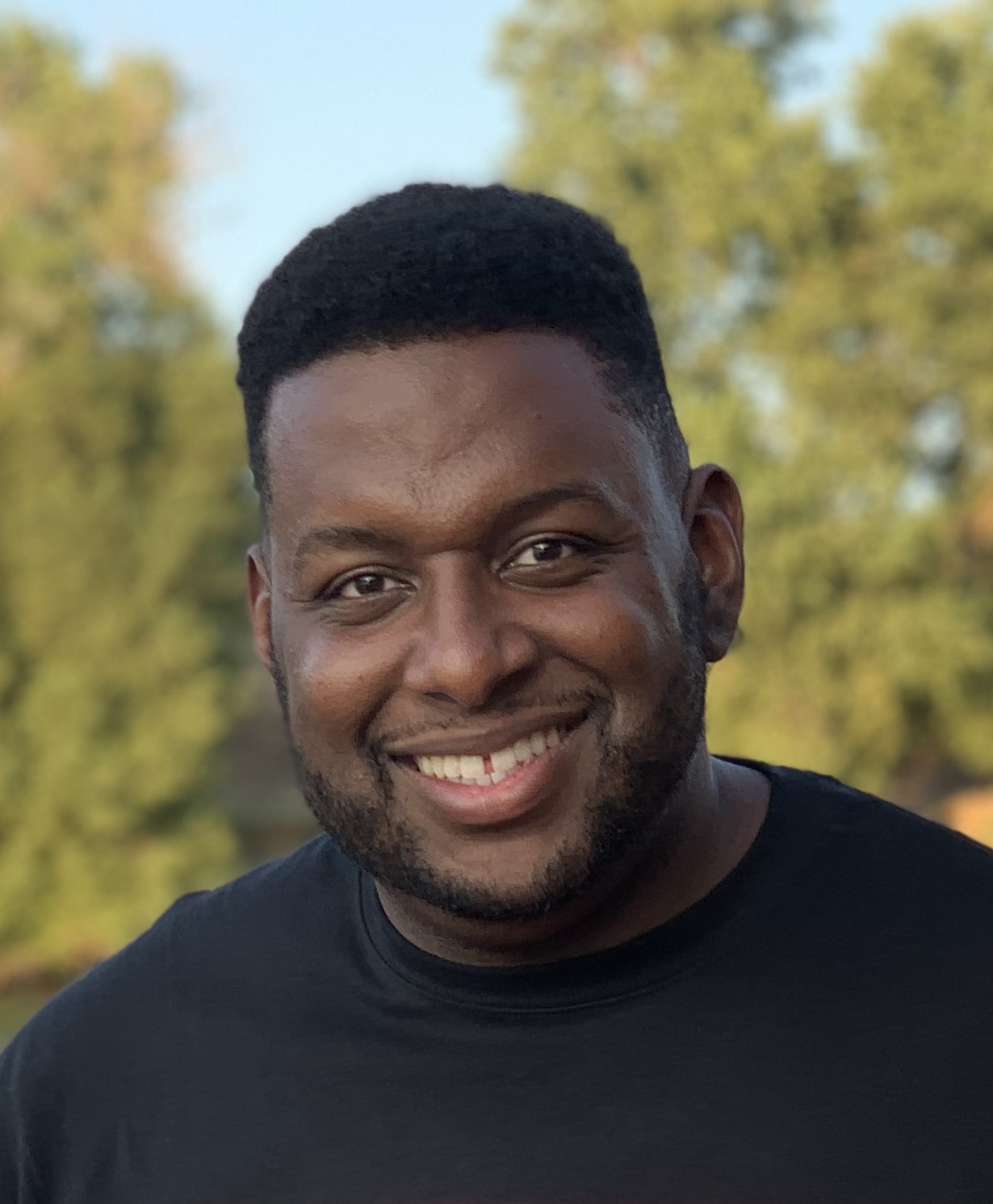
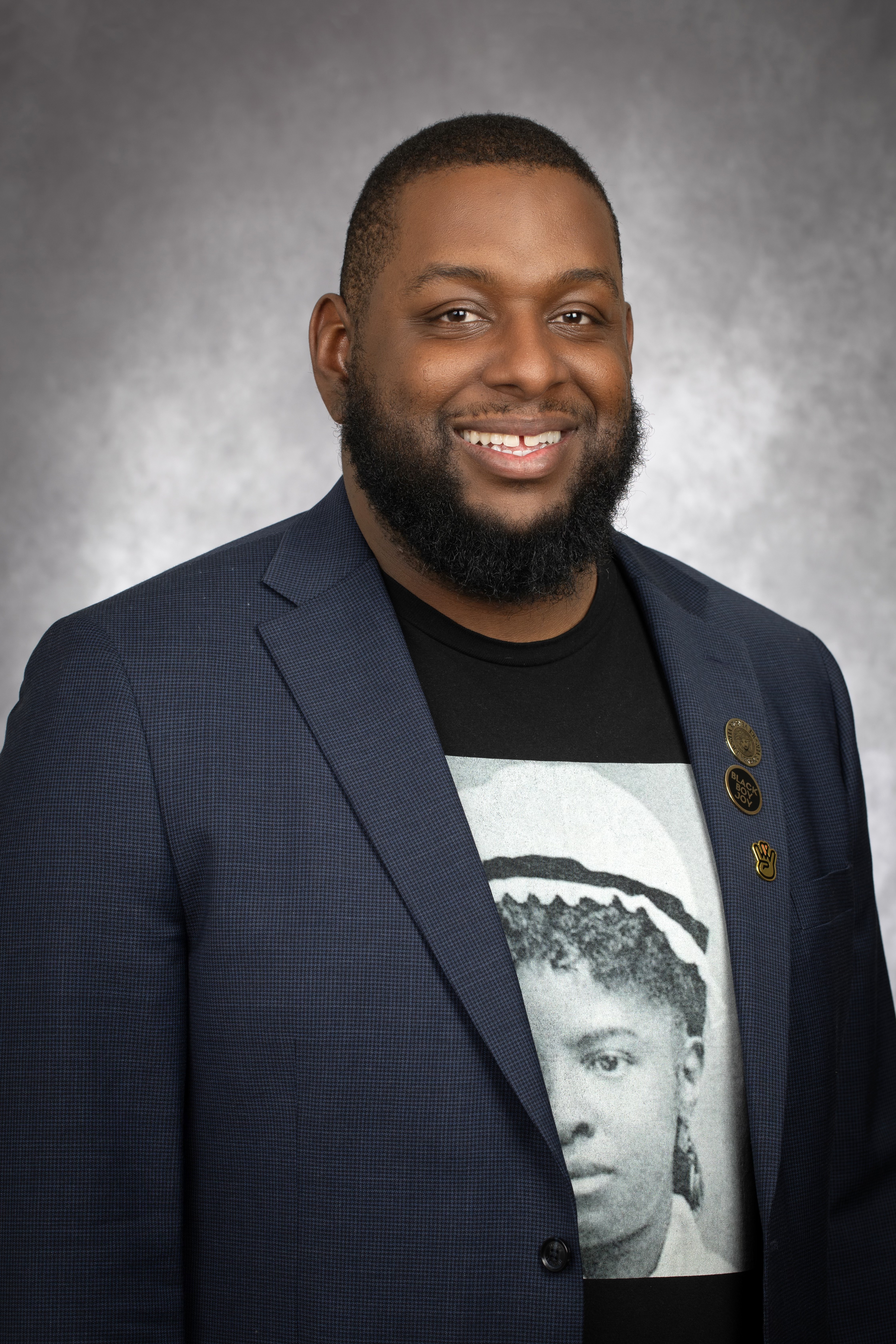
Aron King, MS, RN, FADLN
For Aron King, a community-engaged nurse leader, nursing is a profession and a platform. He started his career as an associate-degree-prepared nurse and is now Magnet® program director at a Northern California hospital. He is also a PhD candidate.
In this conversation, King reflects on the pivotal mentors who shaped his path, the transformative role of the Capitol City Black Nurses Association, and the evolution of grassroots initiatives such as Barbershop Health Talks that address mental health access for Black men. From first-generation college student to community health advocate, King shares how purpose, collaboration and community engagement continue to guide his work — and why expanding pathways into nursing remains essential for the future of the profession.
Please introduce yourself.
My name is Aron King. I’m Magnet® program director at Kaiser Permanente Antioch, and I’ve been a nurse for 14 years.
What inspired your nursing journey?
My nursing journey started early. As a high school student, I had a big interest in science. One of my teachers said, “Hey, maybe you could leverage this and go into healthcare.” So, as a young man, of course, I thought that meant, oh, become a doctor. We had a health academy, which was kind of like a high school pathway program. We visited the hospital twice a week. We got to shadow all different professions: pharmacists, lab assistants, radiologists and radiology techs. And one of the professions was nursing. All the cool jobs were nurses. So we got to go to the OR and labor and delivery. I said, “I think I want to be a nurse.”
Entering college, there were some obstacles. Although my mom wanted me to go to college and supported that, we didn’t really know, as a first-generation student, how to get funding. So I started at the community college. I did all my prerequisites and started applying everywhere. The first program that accepted me was an associate’s degree program in Redding, California.
When you first entered nursing, what specialty did you pursue?
When I started as a registered nurse, I applied to jobs everywhere. I was from Sacramento, so I returned there and was unable to find a job. I spent about a month in a skilled nursing facility before getting a job offer back in Redding.
My wife and I relocated to Redding. And it was a very different environment, diversity-wise. It was new, very fresh, but I was familiar with it from my two years as a nursing student. I started at Shasta Regional on the med-surg floor. I spent a year there before going to the progressive care unit, and then I returned to Sacramento and got my first ICU job.
What motivated you to continue your education?
I recognized how important education would be, especially entering the field as an associate’s degree nurse. I graduated on Dec. 19, 2012, and I started my first bachelor’s class on Jan. 2, 2013. I never thought I would go beyond a bachelor’s degree.
In 2019, I had an opportunity to apply to a fully funded program at the Betty Irene Moore School of Nursing at UC Davis. As I was preparing my application, I needed letters of recommendation. One of the managers I approached wanted to meet with me. We talked about why I wanted to do nursing — what my motivation was — and I had nothing to say.
She agreed to write my letter and left me with two recommendations. One was to delay the program for a year, and the other was to find some motivation greater than what I get from my job. She handed me a flyer for the Capitol City Black Nurses Association and said, “Join something bigger than what you do for your job.”
How did that moment shape your direction?
I think those moments come across, and people don’t necessarily recognize them when they happen. That first high school teacher planted a seed. And then my manager told me I needed something bigger than my job — a purpose. I could have taken it as discouragement, but instead I decided to stand up to the challenge. That’s what got me more connected to the community.
Tell me about the Capitol City Black Nurses Association and why it resonated with you.
Capitol City Black Nurses Association is a local chapter of the National Black Nurses Association. Our chapter was formed in 2018. When I joined, we had about 12 to 15 members. Currently, we have about 200 members.
Our work sits on three pillars. The first is community outreach — education and resources. The second is lifting our current nursing workforce through leadership opportunities, grants and professional growth. (When I entered, I was a bedside nurse, and my experience with the chapter empowered me to apply for an assistant manager role.)
The third pillar is recruiting the future of nursing. There’s not a large representation of African American nurses, particularly Black men. One of the programs I started was the Breaking Down Barriers Conference, now in its fifth year. We collaborate with multiple affinity organizations and bring together schools of nursing, students and community members to talk about overcoming barriers.
Why is representation in nursing so critical for community health?
Within the Black community, there is a historic mistrust. It’s my duty to transform healthcare and build trust. When communities are reluctant to engage with healthcare, it becomes a larger public health issue. We saw that during COVID, when the sickest patients were often those who had avoided healthcare previously.
Tell me about the Barbershop Health Talks.
The Barbershop Health Talks came from earlier barbershop initiatives focused on hypertension and diabetes. We wanted to go bigger and bring healthcare professionals and community leaders together in a holistic way.
COVID disrupted our in-person plans, so we pivoted to a virtual series streamed into barbershops. We talked about diabetes, hypertension, manhood, fatherhood, COVID and erectile dysfunction — whatever came up. The goal was to stimulate conversation and allow men to see people who look like them in healthcare.
How did that evolve into your current work and research?
That work evolved into the Cut to the Chase program, in partnership with the Greater Sacramento Urban League. We’ve received over $800,000 in grant funding. The program runs twice a month in barbershops and is led by a licensed mental health therapist. There are no incentives, yet men continue to attend, which tells us there’s value.
This program is the focus of my dissertation. My research looks at how Black men engage with mental health services and challenges the narrative that Black men don’t use them. The issue is often how services are delivered, not whether people want them.
What advice would you give nurses who want to advocate but don’t know where to start?
The most important thing is collaboration. You don’t have to reinvent the wheel. As nurses, we work in teams all day. We need to stop saying, “I’m just a nurse,” and instead say, “I’m a nurse, so I know how to do this work.”
Start small. Break big problems into manageable goals. Nurses are the most trusted profession because we’ve earned it, and we need to remember that as we move forward.
Why is it important to support multiple educational pathways to nursing?
You can start [your nursing path] anywhere — associate degree, bachelor’s, master’s. For our chapter’s scholarship, we remove as many barriers as possible. We don’t look at GPA. We want to know there’s a need and that someone is enrolled. Many students are working and caregiving, and they are first-generation [college applicants]. If we want to diversify nursing, we have to support people along the entire pathway.
Share Your Story
Do you or someone you know have an inspiring nurse story to tell? We want to hear from you.
Submit your story idea.