Whether the difference is small or life-changing doesn’t matter — what matters to me is being remembered as someone who loved being a nurse and inspired others to love it too.
Nick Souza, BSN, RN, SRNA, CCRN-CMC-CSC, PCCN, ACRN, CV-BC
For Nick Souza, nursing is more than a profession — it’s a legacy three generations in the making. Inspired by his mother and great-aunt, both accomplished critical care nurses, Nick found his own calling in the ICU, where compassion, skill and teamwork define every shift. A former marketing professional turned critical care nurse, Nick blends analytical thinking with heartfelt care, earning multiple DAISY Award nominations and national specialty certifications along the way. He has spent his entire career at Bassett Medical Center in Cooperstown, New York, a Magnet® hospital with a silver Beacon Award ICU. Now pursuing a Doctor of Nursing Practice (DNP) in nurse anesthesiology at Albany Medical College, he continues to carry forward his family’s tradition of excellence — driven by a deep belief in lifelong learning, mentorship and making a lasting difference in every patient’s life.
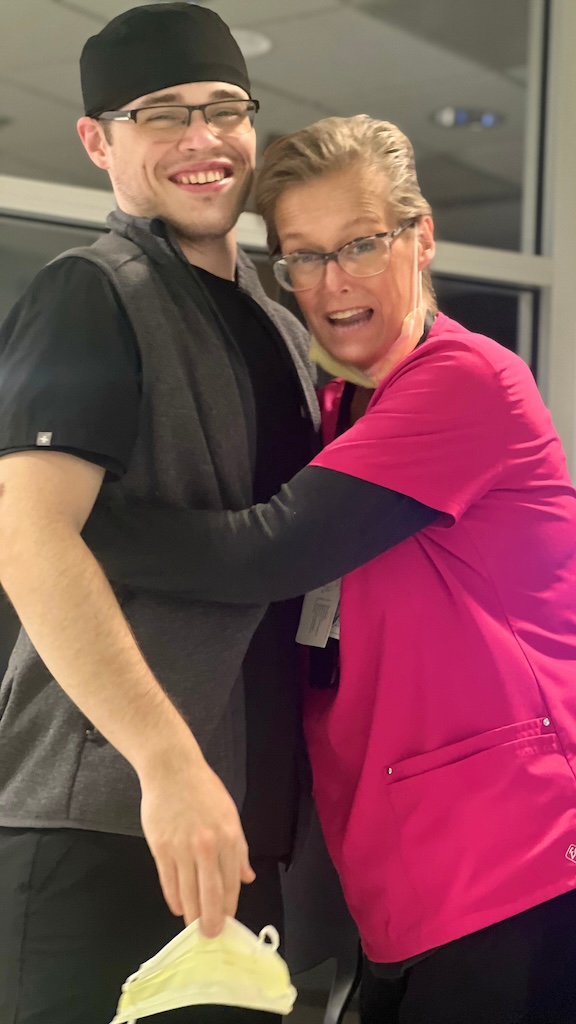
Nursing clearly runs in your family. Can you share how it inspired you to pursue a career in nursing?
I always knew I wanted to work in healthcare, although the path wasn’t exactly straightforward. Early on, I thought I might become a medical doctor — specifically an anesthesiologist — but as an 18-year-old, the idea of so many years of school didn’t feel right. Instead, I ended up in marketing, building a career in digital advertising. It was while working for a news organization in Phoenix that the pull toward healthcare started to grow stronger again.
Nursing has always been part of my life. My mom, Karen Sitterly, worked as a critical care and emergency nurse for 30 years. I remember watching her come home after night shifts, tired yet fulfilled, always talking about how much she loved being able to help people. When I once asked her why she chose nursing, she told me about her Aunt Doreen, RN, who had inspired her — and how my aunt hoped that, at the end of her own life, she could say she truly made a difference in someone else’s. That idea stayed with me. Carrying forward that same purpose is what ultimately led me to the nursing profession.
What does it mean to carry forward a three-generation nursing legacy?
The legacy began with my Aunt Doreen. She spent much of her career in critical care and leadership and was known for her extraordinary kindness, empathy and generosity. She was a profound influence in my mom’s life and ultimately inspired her decision to pursue nursing.
What started with one nurse grew into a family tradition: Today, we have four practicing RNs and two more working toward their nursing degrees. When I meet people who once worked with my mom or aunt, they often describe them as some of the best nurses they’ve ever worked alongside. I feel grateful to have learned from their example and to have the chance to carry the torch forward for our family.They also showed me that it is important to pay it forward through mentoring. Whether it’s learning a new skill, pursuing certification or supporting my peers, I try to honor the example they set and carry it forward in my career.
You’ve been nominated for The DAISY Award four times. How do those honors reflect the way you practice nursing?
Having four patients and their families take the time to highlight the care I provided to them means so much to me. This career is too hard to do if it is just about the money. The nominations tell me that I made a difference in the lives of my patients and their families when they needed it most.
What first drew you to critical care and now to pursue your path as a nurse anesthetist (SRNA)?
I discovered during my time as a nursing assistant in the ICU that this was also meant to be my own path. I realized how naturally my interests aligned with critical care: I love pharmacology, hemodynamics, advanced devices and the challenge of caring for high-acuity patients. I also love the collaborative nature of the ICU; caring for a critically ill patient often feels like a dozen people working together to solve a complex puzzle. It’s demanding, but deeply rewarding.
Becoming a CRNA was always in the back of my mind, but it wasn’t until shadowing in the operating room that I fully understood why. I came to appreciate how much autonomy CRNAs have over the aspects of critical care that excite me most and the remarkable depth of knowledge they bring. Now that I’m on this journey, I can see firsthand how challenging the road truly is — but it’s also so worth it.
Where do you find motivation during the most challenging moments in your career?
Remembering why I chose this career and my desire to continue the legacy of excellence created by my family and friends gets me through hard moments. Whether it is studying for certifications or returning to school for my DNP, these are all steps toward being able to better care for my patients.
I also recognize that this career is one that so many aspire to join, and my motivation to keep moving forward is, in many ways, a way of honoring them. When I was still in marketing, my friend and co-worker Katy and I decided about the same time to return to nursing school. We became each other’s support system as we started fresh in a new career we deeply wanted.
Katy Obi, RN, went on to become a progressive care nurse in Arizona, excelling at her work — caring for patients with empathy, skill and compassion. Tragically, her life was cut short in 2024 after a short battle with melanoma. When I face challenges or moments of doubt, I think of Katy. I remind myself that I, and many others, carry not only the legacy of those who inspire us every day but also the legacy of those who were taken too soon. That reminder keeps me grounded in why this work matters.
You helped create a certification wall in your unit. Tell us about it.
When I began volunteering as an AACN ambassador, I wanted to increase the number of certified nurses on my unit. As chair of our ICU’s Unit Practice Council, recognition was a core priority. When I presented the idea of the wall, it was well received.
With leadership approval and AACN support for the plaque, the wall went up quickly. Since then, CCRN numbers doubled, and CMC and CSC nurses tripled. It became a way to celebrate those who earned their letters while inspiring others to pursue their goals.
What role has certification played in your career growth and confidence?
Starting as a new grad in the ICU, I had major impostor syndrome. Earning a CCRN validated my knowledge and skills. With each additional certification, I felt more confident trusting my instincts, making recommendations and communicating with patients and families.
Certification also benefits teams and patients. Research shows certified nurses provide care that is associated with lower patient mortality rates and reduced negative outcomes. Making certification accessible empowers more nurses and ultimately improves patient care.
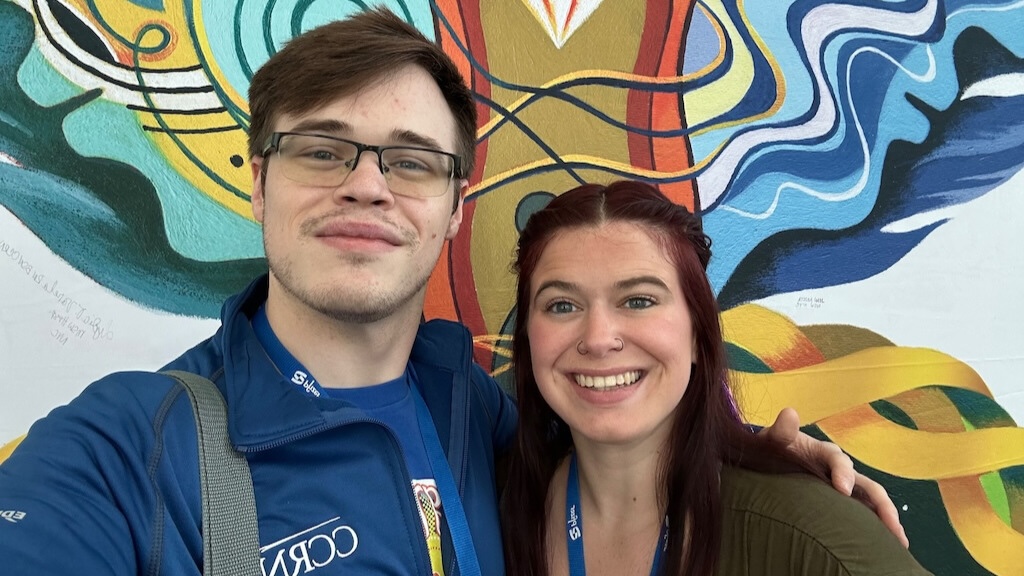
Looking ahead, what are your goals for yourself and the profession?
Becoming a CRNA was my ultimate goal, but now I focus on advocacy. Nurses need stronger voices at the state and federal levels to expand scope of practice, autonomy and protections for nurses and patients. Inspired by mentors and CRNA leaders, I hope to carry that energy forward and make meaningful contributions.
At the heart of it, when nurses are empowered and feel confident that the care they provide is safe and supported, patients and the entire healthcare team benefit.
How do you hope your journey inspires other nurses?
I hope my story encourages nurses to find their passion and advocate for its advancement. Celebrating colleagues, whether through awards or recognition like the Wall of Excellence, improves patient care. Even small acts of encouragement can have a ripple effect.
When you think about your nursing career years from now, what do you want your legacy to be?
It comes back to my family’s nursing motto: the hope of making a difference in someone’s life. I want to be remembered as someone who loved being a nurse and inspired others to love it too. I hope to inspire others to always strive to be better, not only for their patients but for themselves. That, to me, is the heart of nursing.